What are the best ChatGPT prompts for fitness and workout plans?
ChatGPT prompts for fitness help you create personalized workout plans, nutrition strategies, and training programs — turning AI into your free personal trainer. These prompts generate customized exercise routines based on your goals, equipment, and schedule.
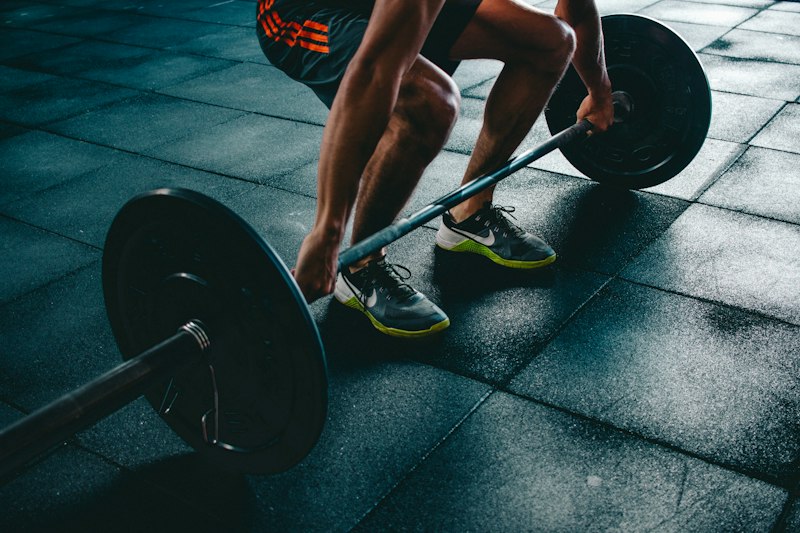
Whether you’re a complete beginner or an experienced athlete, these 20+ ready-to-copy prompts will help you build muscle, lose weight, improve endurance, and stay motivated. Each prompt is customizable to your specific situation.
Why Use ChatGPT for Fitness Planning?
- Personalized plans — tailored to your equipment, schedule, and goals
- Unlimited variety — never get bored with the same routine
- Progressive overload — structured advancement over time
- Injury prevention — proper form guidance and warm-up routines
- Nutrition guidance — meal plans that support your training
Workout Plan Creation
1. Complete Beginner Program
I'm a complete beginner to fitness. Create a 4-week starter program for me:
- Age: [X], Weight: [X], Height: [X]
- Goal: [LOSE WEIGHT / BUILD MUSCLE / GET FITTER]
- Equipment: [GYM / HOME WITH DUMBBELLS / BODYWEIGHT ONLY]
- Days available: [X] per week, [X] minutes per session

For each workout, include:
1. Warm-up (5 minutes)
2. Exercises with sets, reps, and rest periods
3. Cool-down and stretching
4. How to progress each week
5. When to take rest days
2. Muscle Building Split
Design a muscle-building program for intermediate level:
- Target muscle groups per week: [e.g., Push/Pull/Legs or Upper/Lower]
- Days available: [4-6] per week
- Equipment: [FULL GYM / HOME GYM / LIMITED]
- Focus areas: [CHEST / BACK / ARMS / LEGS / SHOULDERS]
- Time per session: [45-75] minutes

For each day include:
1. 4-6 exercises with sets, reps, and tempo
2. Progressive overload scheme (week 1-4)
3. Warm-up specific to that day's muscles
4. Substitute exercises if equipment isn't available
5. Recovery recommendations
3. Weight Loss Workout Plan
Create a fat loss workout plan combining strength and cardio:
- Current fitness level: [BEGINNER / INTERMEDIATE / ADVANCED]
- Available equipment: [LIST]
- Time per session: [X] minutes
- Days per week: [X]
- Any injuries or limitations: [LIST OR NONE]

Include:
1. Mix of HIIT, steady-state cardio, and resistance training
2. Calorie burn estimates per session
3. Progressive difficulty over 8 weeks
4. Active recovery day suggestions
5. How to combine this with a calorie deficit
4. Home Workout Generator
I can only work out at home with minimal equipment. Create a workout:
- Equipment I have: [e.g., resistance bands, dumbbells, pull-up bar, yoga mat]
- Space: [SMALL APARTMENT / GARAGE / BACKYARD]
- Time: [X] minutes
- Focus: [FULL BODY / UPPER BODY / LOWER BODY / CORE]
- Fitness level: [BEGINNER / INTERMEDIATE / ADVANCED]

Give me a complete workout with warm-up, main exercises (with modifications for harder/easier versions), and cool-down.
Specific Goal Prompts
5. 5K Running Program
I want to run my first 5K. I currently [CAN'T RUN AT ALL / CAN RUN 1 MILE / etc.]. Create an 8-week couch-to-5K program:
1. Week-by-week progression
2. Run/walk intervals for each session
3. Rest day schedule
4. What to do if I miss a day or week
5. Race day preparation tips
6. Pace expectations for each week
6. Strength Program for Beginners
Teach me the 5 most important compound lifts for building strength:
[SQUAT / DEADLIFT / BENCH PRESS / OVERHEAD PRESS / BARBELL ROW]

For each lift, provide:
1. Step-by-step setup and execution
2. Common form mistakes and how to fix them
3. Muscles worked
4. Starting weight recommendations for someone who weighs [X] lbs
5. A simple 3-day per week program using all 5 lifts
7. Flexibility & Mobility Routine
Create a 15-minute daily flexibility and mobility routine for someone who:
- Sits at a desk for [X] hours daily
- Has tight: [HIP FLEXORS / HAMSTERS / SHOULDERS / BACK]
- Goal: [BETTER POSTURE / PAIN RELIEF / ATHLETIC PERFORMANCE]
Include:
1. Dynamic stretches for warm-up
2. Static stretches with hold times
3. Foam rolling recommendations
4. Morning vs. evening routine variations
5. Progress markers to track improvement
8. Core Strength Program
Design a progressive core strength program (4 weeks):
- Current level: [BEGINNER / INTERMEDIATE / ADVANCED]
- Equipment: [NONE / STABILITY BALL / AB WHEEL / HANGING BAR]
- Time: [10-15] minutes per session
- Frequency: [3-4] times per week

Include exercises targeting: rectus abdominis, obliques, transverse abdominis, and lower back. Provide modifications for each exercise and progression criteria.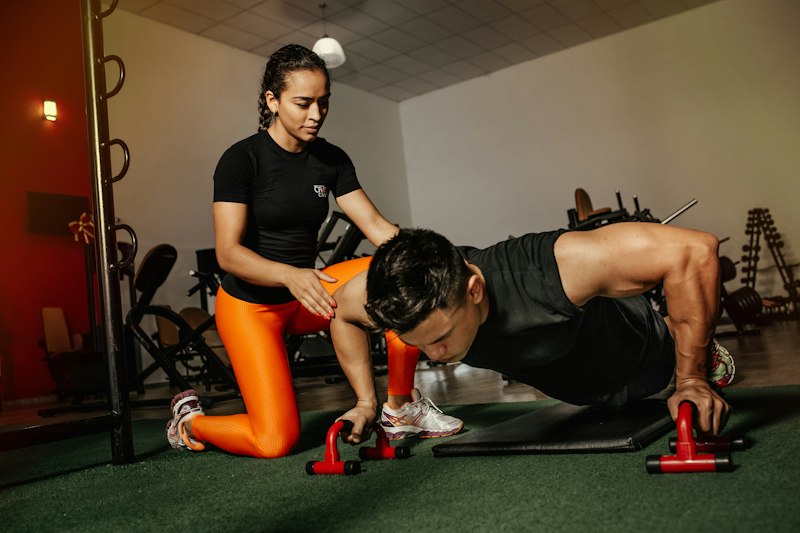
Nutrition & Recovery
9. Macro Calculator
Calculate my macros for my fitness goal:
- Age: [X], Weight: [X] lbs, Height: [X]
- Activity level: [SEDENTARY / LIGHTLY ACTIVE / MODERATELY ACTIVE / VERY ACTIVE]
- Goal: [LOSE FAT / BUILD MUSCLE / MAINTAIN / PERFORMANCE]
- Dietary restrictions: [NONE / VEGETARIAN / VEGAN / GLUTEN-FREE / etc.]

Provide:
1. Daily calorie target
2. Protein, carb, and fat grams
3. Meal timing recommendations
4. Sample day of eating hitting these macros
5. Adjustments for training vs. rest days
10. Pre & Post Workout Nutrition
I work out at [TIME] doing [TYPE OF WORKOUT]. My goal is [GOAL]. Tell me:
1. What to eat 1-2 hours before my workout (with specific food examples)
2. What to eat within 30 minutes after my workout
3. Hydration guidelines before, during, and after
4. Supplements that might help (with evidence-based recommendations)
5. Foods to avoid before training
11. Meal Prep for Fitness
Create a meal prep plan for fitness:
- Goal: [BUILD MUSCLE / LOSE FAT / MAINTAIN]
- Calories: [X] per day
- Meals per day: [4-6]
- Prep time available: [X] hours on [DAY]
- Budget: [LOW / MODERATE / FLEXIBLE]
- Dietary restrictions: [LIST]

Provide:
1. A complete weekly meal plan
2. Grocery shopping list
3. Prep instructions (what to cook in what order)
4. Storage and reheating tips
5. How to adjust portions for training vs. rest days
12. Sleep & Recovery Optimizer
I'm training [X] days per week and feeling [EXHAUSTED / SORE / PLATEAUED]. Help me optimize recovery:
1. Sleep hygiene checklist for athletes
2. Active recovery activities for rest days
3. How to manage DOMS (delayed onset muscle soreness)
4. Signs of overtraining I should watch for
5. Supplements that support recovery (evidence-based only)
Tracking & Motivation
13. Progress Tracker Setup
Help me set up a comprehensive fitness tracking system. I want to track:
- Workouts (exercises, sets, reps, weight)
- Body measurements (weight, waist, chest, arms, etc.)
- Progress photos
- Energy levels and mood
- Sleep quality

Create:
1. A weekly tracking template
2. Key metrics to focus on for my goal: [GOAL]
3. How often to measure each metric
4. Realistic progress expectations per week/month
5. When to adjust my program based on results
14. Plateau Buster
I've hit a plateau in my training. Here's my situation:
- What I've been doing: [DESCRIBE CURRENT ROUTINE]
- How long I've been doing it: [X] weeks/months
- Where I'm stuck: [SPECIFIC LIFT / WEIGHT / PERFORMANCE METRIC]
- What I've tried so far: [LIST]

Suggest:
1. 5 specific changes to break through this plateau
2. A modified 4-week program
3. Deload week strategy
4. Nutrition adjustments that might help
5. Mental strategies for pushing through
15. Motivation & Consistency Plan
Help me stay consistent with my fitness routine. My challenges:
- I tend to quit after: [X] weeks
- My biggest excuse is: [EXCUSE]
- I'm most motivated by: [INTRINSIC GOALS / EXTERNAL REWARDS / SOCIAL ACCOUNTABILITY]
- My schedule is busiest on: [DAYS]

Create:
1. A habit stacking strategy for fitness
2. Minimum viable workout for busy days (15 min or less)
3. Accountability system suggestions
4. Reward milestones that don't involve food
5. A "get back on track" plan for when I miss sessions
Special Populations & Situations
16. Desk Worker Fitness Plan
I sit at a desk for [X] hours daily and have [BACK PAIN / NECK PAIN / SHOULDER TIGHTNESS / POOR POSTURE]. Create:
1. 5-minute stretches I can do at my desk every hour
2. A 20-minute after-work corrective exercise routine
3. Ergonomic desk setup checklist
4. Best exercises to counteract sitting all day
5. Weekly workout plan that addresses desk-job imbalances
17. Travel Workout Plan
I'm traveling for [X] days and won't have gym access. Create:
1. A bodyweight hotel room workout (no equipment needed)
2. A park/outdoor workout option
3. Resistance band travel workout (if I pack bands)
4. How to maintain my progress while traveling
5. Healthy eating strategies for travel days
Fitness level: [LEVEL], Time available: [X] minutes per day
18. Senior Fitness Program
Design a safe fitness program for a [AGE]-year-old who:
- Current activity level: [SEDENTARY / SOMEWHAT ACTIVE]
- Health conditions: [LIST OR NONE]
- Goals: [BALANCE / STRENGTH / FLEXIBILITY / HEART HEALTH]
- Equipment: [NONE / LIGHT DUMBBELLS / RESISTANCE BANDS]

Include:
1. Balance exercises to prevent falls
2. Low-impact strength training
3. Flexibility and mobility work
4. Safety precautions and warning signs
5. Progression guidelines appropriate for age
19. Post-Injury Comeback
I'm recovering from [INJURY] and want to safely return to exercise. My details:
- Injury: [TYPE]
- How long ago: [X] weeks/months
- Cleared by doctor: [YES / NO / PARTIAL]
- Previous fitness level: [LEVEL]
- Activities I want to return to: [LIST]

Create:
1. A phased return-to-exercise plan
2. Exercises to avoid and safe alternatives
3. Warning signs to stop immediately
4. How to progress without re-injury
5. Complementary exercises that support recovery
20. Sport-Specific Training
Design a training program to improve my performance in [SPORT]:
- Current level: [BEGINNER / INTERMEDIATE / COMPETITIVE]
- Weak areas: [LIST]
- Season starts: [DATE]
- Training days available: [X] per week

Include:
1. Sport-specific exercises and drills
2. Supporting strength work
3. Conditioning and endurance training
4. Injury prevention for common sport injuries
5. Periodization plan (off-season, pre-season, in-season)
Frequently Asked Questions
Can ChatGPT create a workout plan as good as a personal trainer?
ChatGPT can create solid, evidence-based workout plans, but it cannot watch your form, adjust in real-time based on how you feel, or provide the accountability a trainer offers. Use it for programming and education, but consider a trainer for form checks and motivation.
How do I know if a ChatGPT workout plan is safe?
Look for warm-ups, rest days, progressive overload, and balanced muscle group training. If you have injuries or health conditions, have a medical professional review the plan. Never push through sharp pain, and always prioritize form over weight.
Should I follow the nutrition advice from ChatGPT?
ChatGPT’s general nutrition guidance is sound, but for medical conditions, allergies, or significant dietary changes, consult a registered dietitian. Use ChatGPT for meal planning ideas and macro calculations, but verify with professional advice.
How often should I change my workout routine?
Change your routine every 4-8 weeks or when you stop making progress. However, the basic movement patterns (squat, hinge, push, pull) should remain consistent. What changes is the volume, intensity, and exercise variations.
Can ChatGPT help with workout injuries?
ChatGPT can provide general information about common workout injuries and prevention, but it cannot diagnose or treat injuries. If you’re in pain, see a sports medicine doctor or physical therapist. Use ChatGPT for injury prevention tips and rehabilitation exercise ideas (after professional diagnosis).